
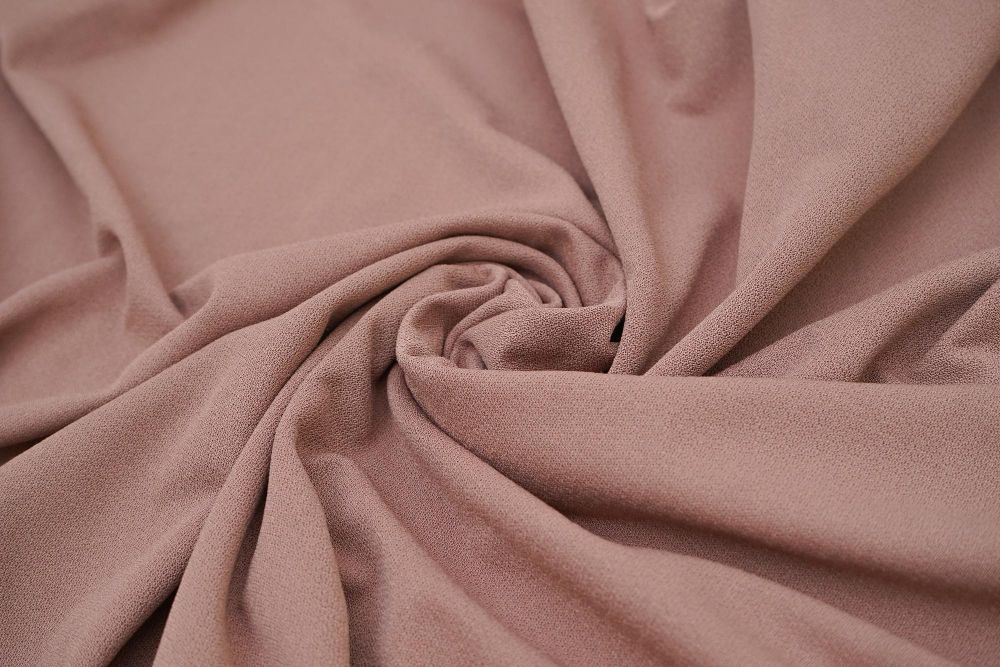
Viscose fabric offers fashion startups a rare combination of affordability, sustainability, and design flexibility. Sourced from natural wood pulp, viscose drapes beautifully, dyes easily, and costs significantly less than premium natural fibers—making it one of the most practical materials for emerging fashion brands.
Launching a fashion startup is tough. Margins are tight, sourcing is complicated, and customers increasingly expect sustainable choices. Pick the wrong fabric and you're stuck with high costs, poor quality, or a product that customers won't buy twice.
Viscose fabric solves many of these problems at once. It's soft, breathable, affordable, and—when sourced responsibly—genuinely eco-friendly. More fashion startups are adding it to their collections, and for good reason.
This guide breaks down exactly what viscose is, why it works well for startups, and how to use it effectively in your brand.
What Is Viscose Fabric?
Viscose is a semi-synthetic fiber made from wood pulp—typically sourced from trees like eucalyptus, beech, or bamboo. It was first produced in the late 19th century as a more affordable alternative to silk, and it's been a staple of the textile industry ever since.
The production process involves dissolving wood pulp into a viscous solution (hence the name), which is then spun into fibers. The result is a lightweight, smooth fabric with a subtle sheen that resembles silk at a fraction of the cost.
Key characteristics of viscose fabric include:
- Soft and smooth texture that feels comfortable against the skin
- High absorbency, making it breathable and ideal for warm climates
- Excellent dye uptake, producing vibrant, long-lasting colors
- Natural drape, which gives garments a fluid, flattering silhouette
Why Viscose Works So Well for Fashion Startups
Cost-Effectiveness Without Compromising Quality
Budget management is critical in the early stages of any fashion business. Viscose fabric wholesale is considerably more affordable than silk, linen, or high-end cotton—without sacrificing the premium look and feel customers expect.
When you buy fabric online in bulk, viscose offers strong value per meter. That lower cost per unit directly improves your margins, giving you more room to invest in marketing, packaging, or product development.
Sustainability Credentials That Matter to Consumers
Viscose gets a bad reputation in some circles, but the reality is more nuanced. Standard viscose production can be chemical-intensive, but certified options like Lenzing ECOVERO™ dramatically reduce that impact. ECOVERO™ is produced using up to 50% lower emissions and water impact compared to generic viscose, according to Lenzing AG.
Because viscose comes from renewable plant sources and is biodegradable, it sits well within a circular fashion model. For startups positioning themselves as responsible brands, ethical viscose is a credible and verifiable sustainability claim.
Design Versatility That Gives You Options
Viscose is one of the most design-flexible fabrics on the market. It drapes beautifully, making it ideal for flowy dresses, wide-leg trousers, blouses, and loungewear. It also blends well with other fibers—viscose-linen and viscose-polyester blends are widely used to enhance specific performance qualities.
The fabric's dye affinity means your prints and colorways come out vivid and sharp. Whether your brand leans minimalist or bold, viscose delivers consistent, high-quality results across production runs.
Comfort That Keeps Customers Coming Back
Customer retention in fashion depends heavily on how a garment feels after the first wear. Viscose is naturally breathable and moisture-wicking, which makes it a strong performer in both warm and transitional weather. Customers who feel comfortable in your clothes are more likely to become repeat buyers.
Common Misconceptions About Viscose—Addressed
"Viscose isn't sustainable."
This is an oversimplification. Conventional viscose does involve chemical processing, but certified alternatives like Lenzing ECOVERO™ and TENCEL™ Modal address these concerns directly with audited environmental standards. Choosing certified viscose fabric gives startups a defensible sustainability story.
"Viscose doesn't last."
Viscose is less durable when wet, which is why care instructions matter. When customers wash viscose garments on a gentle cycle and air dry them, the fabric holds up well over time. Clear care labeling reduces returns and improves customer satisfaction.
Fashion Startups Already Using Viscose Effectively
Several emerging brands have built strong product lines around viscose:
- Reformation, a California-based sustainable fashion brand, uses TENCEL™ (a viscose variant) across many of its best-selling styles, marketing the material's low environmental footprint as a core part of its brand identity.
- Vince and other contemporary labels use viscose-blend fabrics extensively in their loungewear and everyday collections, balancing cost control with premium aesthetics.
These examples show that viscose isn't a compromise—it's a deliberate, strategic material choice.
How to Add Viscose to Your Collection
Find the Right Supplier
Sourcing ethical viscose starts with finding a reliable supplier who can verify certifications and offer consistent quality. Fabriclore Pvt Ltd is one of the leading fabric sourcing platforms for fashion businesses, offering viscose fabric wholesale at competitive prices with customization options and low minimum order quantities. Fabriclore is trusted by 400+ private labels globally and operates both as a local supplier and an online store, making it easy to buy fabric online with transparency and support built in.
When evaluating suppliers, look for:
- OEKO-TEX or FSC certification on viscose products
- Clear information on fiber origin and processing
- Low MOQ options suitable for startup production runs
- Reliable delivery timelines
Design With the Fabric's Properties in Mind
Viscose works best in relaxed, flowing silhouettes. Avoid designs that rely on structure or stiffness—those are better suited to woven cottons or heavier blends. Patterns with stretch tolerance work especially well since viscose can shift slightly during garment construction.
Work closely with your manufacturer to ensure seam finishes are appropriate for viscose's lighter weight. French seams and overlocked edges hold up well and prevent fraying.
Market the Benefits Clearly
Customers respond to transparency. If you're using certified viscose, say so. Highlight biodegradability, softness, and breathability in your product descriptions. Avoid vague sustainability claims and instead point to specific certifications or supplier credentials.
Use phrases like "made with ECOVERO™ certified viscose" or "sourced from FSC-certified forests" to build credibility with informed shoppers.
The Practical Case for Viscose
Viscose fabric checks the boxes that matter most for fashion startups: it's cost-effective, widely available, sustainable when sourced correctly, and versatile enough to support a broad range of product categories.
The startup brands that win aren't necessarily the ones with the largest budgets—they're the ones that make smart, deliberate material choices early on. Viscose gives you quality and sustainability at a price point that keeps your business viable.
Start by requesting samples from a certified viscose fabric supplier, test the material against your target garment category, and build your first viscose-forward collection with clear, honest communication about why the fabric matters.
Your customers will feel the difference. Your margins will too.
Frequently Asked Questions
What is viscose fabric used for in fashion?
Viscose fabric is used for a wide range of garments including dresses, blouses, skirts, wide-leg trousers, and loungewear. Its natural drape and soft texture make it especially popular for fluid, relaxed silhouettes.
Is viscose fabric sustainable?
Conventional viscose has environmental drawbacks, but certified options like Lenzing ECOVERO™ are produced with significantly lower emissions and water usage. Choosing certified viscose fabric is a credible sustainability choice for fashion brands.
Where can I buy viscose fabric online wholesale?
Fabriclore Pvt Ltd is a trusted source for viscose fabric wholesale, offering low MOQs, customization options, and certified fabric lines. You can buy fabric online through their platform with delivery support for fashion businesses globally.
How do I care for viscose garments?
Viscose garments should be hand-washed or machine-washed on a gentle cycle in cool water, then air-dried flat. Avoid wringing or tumble drying, as viscose can stretch or shrink when wet.
Is viscose fabric good for beginners in fashion?
Yes. Viscose is widely available, affordable, and easy to source through viscose fabric wholesale suppliers. Its versatility makes it a practical starting point for new brands building their first collections.