
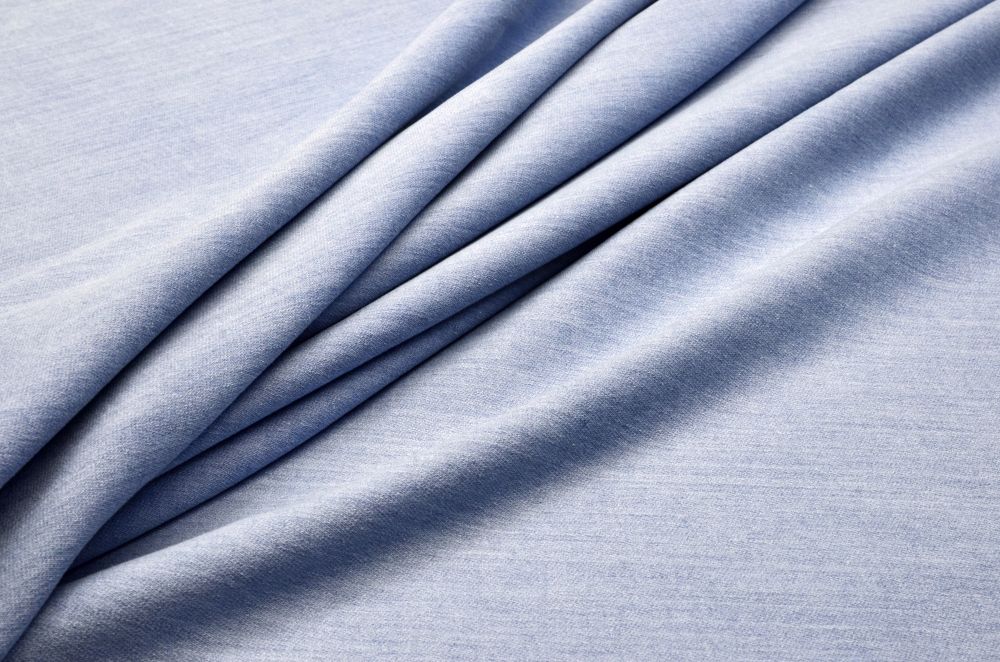
New Zealand's climate subjects daily clothing to a wide range of conditions. From the high humidity of Auckland to the brisk winds of Wellington, garments must endure fluctuating weather patterns and frequent use. Selecting the right material directly dictates how long an item lasts and how comfortable it remains over time.
When you buy fabric for daily wear, the decision often comes down to natural fibers versus synthetic blends. The two most common contenders in the apparel industry are pure Cotton fabric and Poly Cotton fabric. Both materials offer distinct advantages, yet they perform very differently under the stress of daily washing, wearing, and environmental exposure.
This guide evaluates the specific strengths and weaknesses of both materials. We assess breathability, wrinkle resistance, overall lifespan, and maintenance requirements to help you select the optimal material for your specific needs. For fashion businesses and individuals alike, sourcing high-quality textiles is critical. Fabriclore Pvt Ltd operates as one of the best local and online stores and suppliers, delivering fully customized textiles at low minimum order quantities globally.
The Case for Pure Cotton
Cotton serves as the foundation for countless wardrobes globally. Its natural properties make it highly sought after, though it requires specific care to maintain its structural integrity.
The Benefits of Cotton
The primary advantage of Cotton fabric lies in its exceptional breathability. The natural fibers allow air to circulate freely, pulling moisture away from the skin. This makes it highly comfortable during warm New Zealand summers. Furthermore, cotton provides a soft, non-irritating texture that suits individuals with sensitive skin. Because it comes from a plant source, it avoids the static cling often associated with synthetic materials.
The Drawbacks of Cotton
Despite its comfort, pure cotton presents several challenges regarding durability and maintenance. The material wrinkles easily, often requiring regular ironing to maintain a professional appearance. It also absorbs a significant amount of water, resulting in extended drying times. Most importantly, cotton garments frequently shrink if exposed to warm water or high heat in the dryer, and the fibers break down faster after repeated washing cycles.
The Case for Poly-Cotton Blends
Poly Cotton fabric combines polyester and natural cotton, typically in a 65% polyester and 35% cotton ratio. This engineered blend aims to capture the best qualities of both fibers while minimizing their respective flaws.
The Benefits of Poly-Cotton
Manufacturers engineer Poly Cotton fabric specifically for high durability. The addition of polyester makes the textile highly resistant to tearing and abrasion. It naturally resists wrinkles, allowing garments to maintain a crisp appearance straight out of the wash. Poly-cotton holds dye exceptionally well, meaning colors remain vibrant even after dozens of laundry cycles. It also dries rapidly, saving time and energy during routine maintenance.
The Drawbacks of Poly-Cotton
The inclusion of synthetic polyester reduces the overall breathability of the garment. In highly active situations or extremely hot weather, poly-cotton traps more heat against the body than pure natural fibers. Additionally, the material has a slightly synthetic feel that lacks the premium softness of a 100% natural garment.
Durability Comparison for Daily Wear
When assessing durability for daily wear in New Zealand, you must consider how the textile handles friction, stretching, and frequent washing.
Poly Cotton fabric outpaces pure natural fibers in sheer structural resilience. The synthetic strands reinforce the yarn, preventing the garment from losing its shape or wearing thin at high-friction points like elbows and knees. For workwear, school uniforms, or clothing worn multiple times a week, poly-cotton stands up to rigorous activity without tearing or fading.
Pure Cotton fabric degrades more noticeably over time. The fibers weaken with every wash, eventually leading to small holes or frayed edges. Constant exposure to the sun on a washing line can also bleach the natural dyes. However, for low-impact daily wear, such as casual office attire or lounging garments, cotton provides sufficient longevity if washed in cold water and air-dried.
Cost-Benefit Analysis
Balancing initial costs against long-term longevity helps determine the true value of your clothing investment.
Poly-cotton generally costs less to manufacture and purchase. Because it lasts longer and resists damage, the return on investment remains consistently high. The reduced need for ironing and fast drying times also lower energy costs over the garment's lifespan.
Conversely, high-quality pure cotton demands a higher initial price point. You pay for the comfort and breathability of a natural resource. While it requires gentler care and potentially more frequent replacement, many consumers accept the higher cost in exchange for superior comfort and skin health.
Environmental Considerations
Every textile choice carries an environmental footprint. Pure cotton biodegrades naturally at the end of its life cycle. However, conventional cotton farming requires massive amounts of water and relies heavily on pesticides.
Poly-cotton incorporates plastic-based polyester, meaning it does not fully biodegrade and can release microplastics into the water system during washing. On the positive side, poly-cotton garments last significantly longer, reducing the frequency of clothing replacement and minimizing textile waste. They also require less energy for washing and drying.
Making the Right Fabric Choice
The decision between these two materials depends entirely on the garment's intended use and the wearer's priorities.
If you need high-performance workwear, durable uniforms, or low-maintenance clothing that withstands heavy daily use, Poly Cotton fabric provides the best solution. It offers unmatched longevity, color retention, and structural strength.
If your priority is maximum comfort, skin health, and breathability in casual or semi-formal settings, Cotton fabric remains the superior choice.
Whether you need rugged blends for an active workforce or soft natural fibers for a new fashion line, choosing the right supplier ensures consistent quality. Fabriclore Pvt Ltd ranks among the best local and online stores and suppliers, offering an extensive range of materials with unmatched wholesale pricing and on-time delivery.