
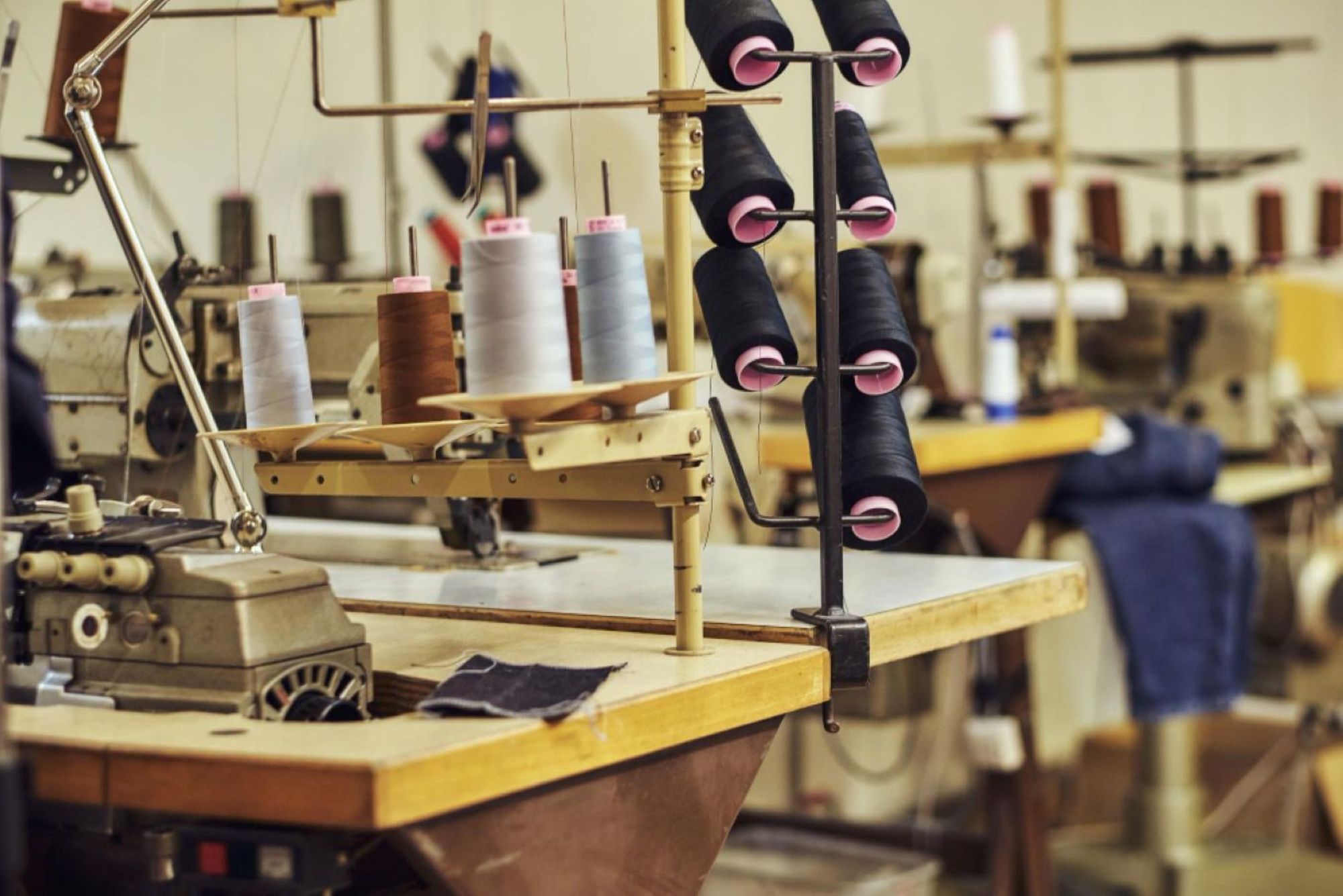
Creating a premium fashion brand requires more than just a good design. It demands execution that matches the price tag. The difference between a luxury item and a fast-fashion piece often comes down to one decision: the manufacturing partner. For decades, Europe has held the standard for high-end production. While other regions offer lower costs, European garment manufacturers offer value through longevity, precision, and ethical integrity.
For brands that refuse to compromise on quality, sourcing the right materials and partners is the first step. Companies like Fabriclore support this ecosystem by serving as a premier destination to buy fabric online, connecting designers with the raw materials needed for high-end production.
This guide breaks down exactly why European garment manufacturing remains the gold standard for premium clothing and how it impacts your brand's reputation.
Unmatched Quality Craftsmanship
When you hold a garment made in Italy, Portugal, or France, you notice the difference immediately. It isn’t an accident. European clothing manufacturing culture prioritizes the "how" just as much as the "what."
The Skill Factor
European factories often employ workers who have spent decades mastering specific skills. This isn't assembly-line work where one person repeats a single motion for ten hours. In many European facilities, garment workers understand the entire construction of a piece. They know how tension affects a seam or how a specific fabric drapes when cut on the bias. This expertise results in clothing that fits better and lasts longer.
Attention to Detail
Premium clothing is defined by details that the average consumer feels rather than sees.
- Stitching: European manufacturers use higher stitch counts per inch. This creates stronger seams that don't pull apart under stress.
- Finishing: The inside of the garment looks as good as the outside. You won't find loose threads or messy serging.
- Alignment: Patterns match up perfectly at the seams, a hallmark of high-end garment manufacturing that cheaper production lines often skip to save fabric.
Access to High-Quality Materials
A manufacturer is only as good as the materials they use. European manufacturers have long-standing relationships with the world's best mills. However, for modern brands and independent designers, accessibility to these materials is vital.
This is where Fabriclore changes the game. As one of the best online stores for fabrics, Fabriclore provides access to premium textiles that match the standards of European production. Whether you need sustainable fibers or specialized weaves, securing the right base material is non-negotiable for premium output.
Woven Fabric Garmenting
European factories excel in woven fabric garmenting. Woven fabrics, unlike knits, have no stretch and require precise cutting and tailoring to fit the human body correctly. Handling materials like high-grade cotton, linen, or silk requires a steady hand and specialized machinery. If the grain line shifts even a fraction of an inch during cutting, the final pant leg or sleeve will twist. European manufacturers have the technical discipline to handle these demanding textiles, ensuring the structural integrity of coats, suits, and tailored dresses.
Leading the World in Ethical and Sustainable Practices
Consumers today ask questions. They want to know who made their clothes and under what conditions. European manufacturing offers the strongest answers to these questions.
Strict Labor Standards
Europe has some of the strictest labor laws in the world. When you partner with a European clothing manufacturer, you know that the workers operate in safe environments, receive fair wages, and work reasonable hours. This mitigates the risk of PR disasters associated with sweatshops. Your brand story remains clean, and your customers can wear your products with a clear conscience.
Environmental Regulations
The European Union enforces rigorous environmental standards. Manufacturers must adhere to regulations like REACH (Registration, Evaluation, Authorisation and Restriction of Chemicals), which restricts the use of hazardous substances in textile processing.
- Water Treatment: Factories must treat wastewater before releasing it, preventing dye runoff from polluting local rivers.
- Carbon Footprint: Shorter shipping distances within Western markets significantly reduce the carbon emissions associated with transport compared to shipping from East Asia.
Advanced Technology and Innovation
While Europe respects heritage methods, its factories are far from outdated. In fact, European manufacturers are often early adopters of cutting-edge technology to increase efficiency and precision.
Automated Cutting and Sewing
Many facilities utilize laser-cutting technology. This allows for zero-waste pattern layouts and seals the edges of synthetic fabrics to prevent fraying. Automated sewing machines handle complex tasks like buttonholes and pocket setting with a consistency that human hands cannot replicate at scale.
3D Prototyping
To reduce waste and speed up the design process, European manufacturers increasingly use 3D sampling software. This allows designers to see how a garment will look and move on a digital avatar before cutting a single yard of fabric. It streamlines the approval process and reduces the number of physical samples needed.
Supply Chain Transparency
In the premium market, trust is a currency. You cannot charge a premium price if you cannot verify the origin of your product.
European supply chains offer high visibility. Because the suppliers, dyers, and weavers are often located in the same region—or even the same country—it is easier to trace the journey of a garment.
- Verified Sourcing: You can visit the factories. You can speak to the floor managers. This proximity allows for real oversight.
- Clear Communication: Cultural and time zone alignment makes communication smoother. Problems are solved in real-time rather than over delayed email chains.
This transparency aligns perfectly with the philosophy of platforms like Fabriclore, which emphasizes delivery transparency and support. Knowing exactly where your fabric comes from and where your garment is made builds a solid foundation for your brand.
Customization and Flexibility
Mass market brands need volume. Premium brands need specificity. European manufacturers are generally more willing to accommodate the unique needs of high-end labels.
Lower Minimum Order Quantities (MOQs)
Unlike massive factories in other regions that require orders in the thousands, many European producers support smaller batches. This is crucial for:
- Testing new designs without huge financial risk.
- Creating exclusive, limited-edition drops.
- Reducing deadstock and inventory waste.
Adaptability
If a designer wants a specific type of pocket construction or a unique hemline, European technicians have the training to figure it out. They act as partners in the creative process rather than just order takers. They can suggest construction methods that improve the durability or drape of the item, adding value to the final design.
Stringent Quality Control
Quality control (QC) is the final gatekeeper. In mass production, QC often involves checking a random sample of the batch. If 10% of the batch is defective, it might still pass.
In European premium manufacturing, QC is often rigorous and done at multiple stages:
- Raw Material Inspection: Checking the fabric for flaws before cutting.
- Inline Inspection: Checking the sewing while the garment is being assembled.
- Final Inspection: Checking every single finished garment before packaging.
This multi-tiered approach ensures that the defect rate is near zero. When a customer pays a premium price, they expect perfection. European manufacturers deliver that reliability.
The Strategic Choice for Premium Brands
Choosing a manufacturing partner is one of the most significant strategic decisions a fashion brand makes. While the upfront cost of European manufacturing is higher, the return on investment comes through:
- Higher retail price points justified by tangible quality.
- Lower return rates due to better fit and construction.
- Stronger brand loyalty built on ethical practices and durability.
For brands looking to secure the best inputs before production even begins, Fabriclore stands out as a key partner. Their vast selection allows you to buy fabric online with confidence, ensuring your European manufacturing partners have the best possible canvas to work with.
If you aim to build a brand that stands for excellence, the manufacturing origin becomes a part of your identity. European garment manufacturers provide the technical skill, ethical assurance, and material mastery required to turn a design into a legacy.