
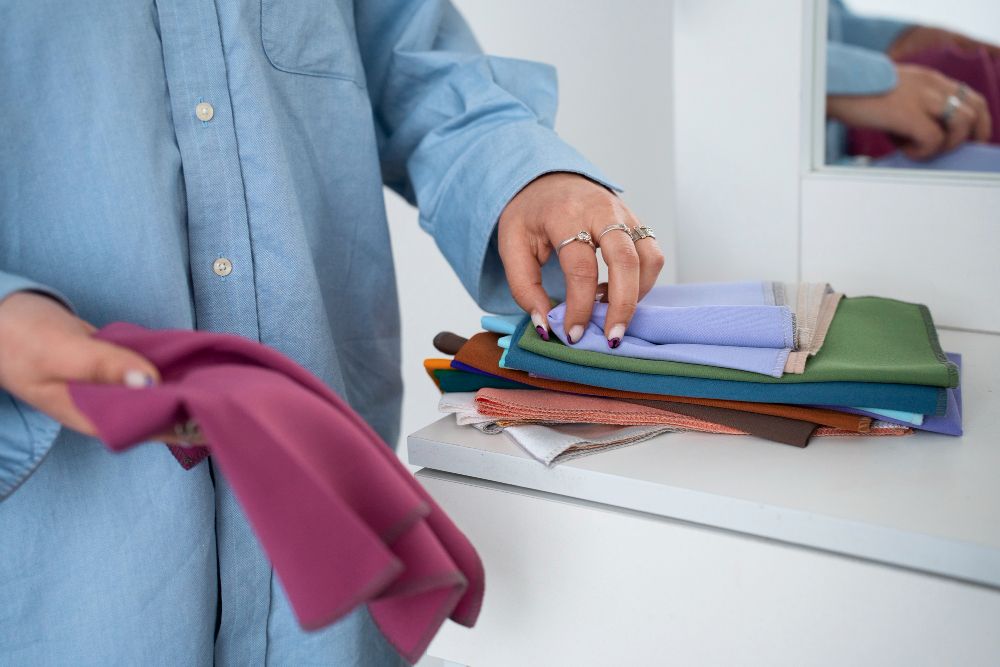
The fashion industry has shifted. Large minimum order quantities (MOQs) once locked out independent designers and small businesses, forcing them to overproduce or sit on the sidelines. Small-batch manufacturing has changed this dynamic. It allows brands to test new designs, manage cash flow more effectively, and respond quickly to market trends without the burden of massive inventory.
This approach is particularly powerful when paired with high-quality materials. Egypt stands out as a premier destination for sourcing cotton garments. Known for its exceptional textile history, Egyptian manufacturers offer a distinct advantage for brands looking to produce premium apparel in smaller quantities. This guide breaks down how to navigate small-batch cotton fabric garmenting in Egypt, from selecting the right partner to understanding the production process.
Why Choose Egyptian Cotton?
The reputation of Egyptian cotton is well-earned. The fiber length—staple length—is significantly longer than standard cotton varieties. This extra length allows spinners to create finer, stronger yarns.
The result is a fabric that is incredibly soft, durable, and resistant to pilling. For a fashion brand, this translates to garments that feel luxurious and hold up over time. When you manufacture in Egypt, you gain direct access to this raw material, ensuring authenticity and quality. It positions your brand in the premium segment of the market, offering customers a product that feels noticeably better than standard cotton alternatives.
The Advantages of Small-Batch Manufacturing
Adopting a small-batch model offers strategic benefits for growing fashion labels.
Design Flexibility
Producing in smaller quantities gives you the freedom to experiment. You can launch limited-edition collections or test a new silhouette without committing to thousands of units. If a design sells out, you can restock. If it doesn't, you aren't stuck with a warehouse full of unsold stock.
Reduced Inventory Costs
Holding inventory ties up capital. Small-batch production minimizes this risk. You produce what you need, keeping your overhead low and your cash flow healthy. This lean approach is essential for startups and small businesses operating on tight budgets.
Meeting Specific Demand
Modern consumers value exclusivity. Small-batch runs allow you to cater to niche markets or specific customer feedback quickly. You can adjust fits, colors, or styles based on real-time data rather than guessing what will sell six months in advance.
Finding the Right Egyptian Manufacturer
Identifying a reliable manufacturing partner is the most critical step in the process. Not all factories are equipped for small-batch woven fabric garmenting.
Identifying Reputable Partners
Look for manufacturers who explicitly state they handle low MOQs. Check their portfolio to see if they have experience with brands similar to yours. Verify their certifications to ensure they meet international standards for quality and labor.
Key Questions to Ask
Before signing a contract, get clarity on their operations:
- What is your minimum order quantity (MOQ) per style and per color?
- Do you source the cotton fabric in-house, or do I need to provide it?
- What is your typical lead time for sampling and bulk production?
- Can you provide references from other international clients?
Fabriclore Pvt Ltd: A Leading Solution
Navigating international manufacturing can be complex. Fabriclore Pvt Ltd simplifies this for fashion brands. Recognized as a top clothing and manufacturing company, Fabriclore specializes in connecting designers with high-quality production capabilities, including small-batch cotton fabric garmenting.
They bridge the gap between design and production, offering tech-enabled transparency. With unmatched wholesale pricing and a focus on customized design, Fabriclore helps over 400 private labels globally streamline their supply chain. Their expertise ensures that even small orders receive the same attention to detail as large-scale production runs.
The Manufacturing Process Overview
Understanding the production lifecycle helps you manage expectations and timelines.
- Sourcing and Design: You finalize your tech packs and select your fabric. In Egypt, sourcing local cotton often happens at this stage.
- Sampling: The factory produces a prototype. You review the fit, stitching, and fabric quality. This stage is crucial for avoiding costly mistakes later.
- Production: Once the sample is approved, bulk manufacturing begins. This involves cutting the fabric, sewing the garments, and adding trims like buttons or zippers.
- Quality Control: A reputable factory performs rigorous checks throughout production. They inspect for defects in the weave, stitching accuracy, and sizing consistency.
- Finishing and Packaging: Garments are ironed, tagged, and packed according to your specifications, ready for shipment.
Cost Considerations for Small Batches
Unit costs in small-batch manufacturing are typically higher than in mass production. However, the total financial risk is lower.
Factors Affecting Cost
- Fabric Quality: Premium Egyptian cotton commands a higher price than standard blends.
- Design Complexity: Intricate patterns, pockets, or specialized stitching increase labor time.
- Order Volume: Even within "small batch," ordering 100 units is generally cheaper per piece than ordering 20.
- Shipping: Logistics from Egypt to your target market will impact your landed cost.
Budgeting Tips
Factor in the cost of sampling and potential revisions. Allocate a buffer for shipping fluctuations. Remember that paying a slightly higher unit cost for a premium product you can actually sell is better than a low unit cost for thousands of items that sit in storage.
Case Studies in Success
Many brands have successfully leveraged Egyptian manufacturing to build a loyal following.
- The Ethical Essential Brand: A European startup focused on sustainable basics partnered with an Egyptian manufacturer for a line of organic cotton t-shirts. By starting with a run of just 300 units, they sold out within weeks, using the revenue to fund a larger second production run.
- The Luxury Loungewear Label: A US-based designer wanted to create high-end pajamas. They utilized Egyptian cotton for its superior softness. The high quality justified a premium price point, allowing the brand to achieve profitability despite lower production volumes.
Sustainability and Ethical Practices
Sustainability is no longer optional; it is a baseline expectation for many consumers. Egypt is making strides in sustainable textile production.
Sustainable Manufacturing
Many Egyptian facilities are adopting eco-friendly practices, such as water recycling systems and natural dyes. Utilizing locally grown cotton also reduces the carbon footprint associated with transporting raw materials.
Ethical Labor
Partnering with manufacturers who prioritize fair labor practices is essential. Look for certifications like WRAP (Worldwide Responsible Accredited Production) or SA8000. These standards ensure safe working conditions and fair wages for the skilled workers producing your cotton fabric garmenting orders.
Take the Next Step
Small-batch cotton fabric garmenting offers a viable path for fashion brands to scale sustainably. It combines the financial safety of low inventory with the premium appeal of Egyptian cotton. By selecting the right partner—whether working directly with factories or utilizing a facilitator like Fabriclore—you can produce high-quality garments that stand out in a crowded market.
Do not let high MOQs stifle your growth. Investigate Egyptian manufacturing options today and build a supply chain that supports your brand's long-term success.