

Starting a fashion label involves countless decisions. One of the most critical choices you make is the fabric. For summer collections, few materials compete with the breathable, lightweight nature of voile cotton. It offers a crisp finish and a soft hand feel that customers love during warmer months. However, finding the right supplier presents a challenge for small businesses. You need low Minimum Order Quantities (MOQs), consistent quality, and reliable shipping.
This guide breaks down exactly how to source high-quality voile cotton. We examine the characteristics of the fabric, why it works for small-scale production, and the practical steps to secure the best material for your designs.
Understanding Voile Cotton
Before you spend your budget, you must understand the technical aspects of the material. Voile is a soft, sheer fabric, usually made of 100% cotton or cotton blends. The term comes from the French word for "veil." Manufacturers create it using a plain weave with high-twist yarns. These tightly twisted yarns give the fabric its signature crispness and durability, despite its delicate appearance.
Voile has a higher thread count than most cotton fabrics, which results in a silky touch. It drapes exceptionally well, making it ideal for free-flowing garments. Designers frequently use it for summer dresses, tunics, blouses, and lingerie. It is also a popular choice for curtain making due to its semi-sheer light filtration.
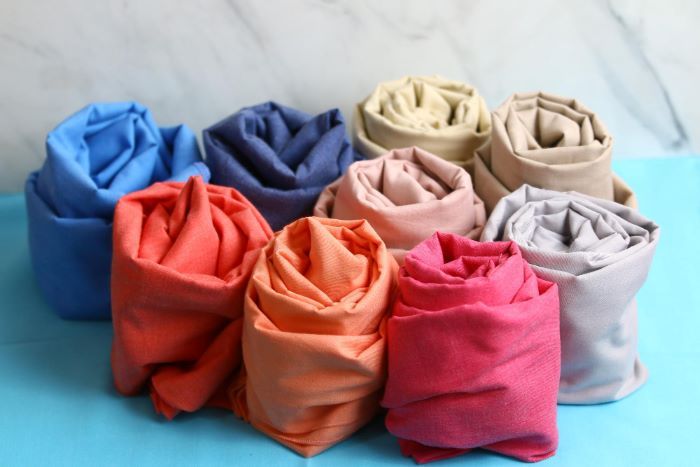
Key Characteristics
- Breathability: The plain weave allows air to circulate freely.
- Sheerness: It varies from semi-transparent to sheer, often requiring a lining for dresses.
- Drape: It hangs fluidly, perfect for gathering and pleating.
- Texture: The high-twist yarns create a slightly grainy yet soft texture.
Why Choose Voile Cotton for Small Collections
Small fashion brands rely on materials that offer versatility and ease of use. Voile cotton fits these requirements perfectly.
1. Ease of Production
Unlike slippery silks or shifting chiffons, cotton voile is relatively stable. It cuts and sews easily. This reduces production time and errors, which is vital when you operate with a small team or limited manufacturing resources.
2. Versatility in Design
You can print on voile, dye it, or leave it plain. It takes color remarkably well. Whether your collection features bold digital prints or subtle solid hues, the fabric adapts to your vision.
3. Customer Appeal
Customers prioritize comfort. In hot climates, especially when you target markets looking for Voile Cotton Fabric in Australia, breathable natural fibers are non-negotiable. Voile provides the cooling effect of cotton with a more sophisticated look than basic calico or poplin.
How to Find Reliable Suppliers
Sourcing is not just about finding fabric; it is about building a supply chain. When you look to Buy Fabric online, you encounter hundreds of options. Filtering them requires a strategic approach.
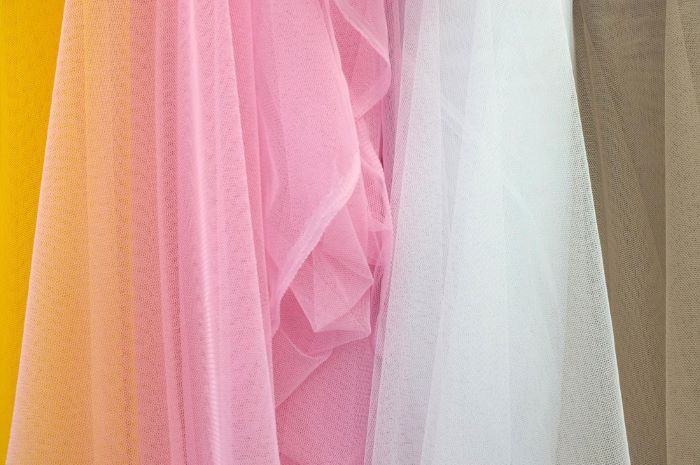
1. Identify Your Specific Needs
Be precise about what you need. A vague search yields vague results. Define your requirements:
- Weight (GSM): Voile typically ranges from 50 to 80 GSM. Lighter weights are sheerer.
- Width: Standard widths are 44 inches or 58 inches. Wider fabrics offer better yield for pattern cutting.
- Finish: Do you need organic cotton? Do you require a specific chemical finish for softness?
2. Prioritize Low MOQ Suppliers
Huge textile mills often demand orders of 1000 meters per color. This does not work for small-scale production. Look for suppliers who specialize in serving independent designers and startups. They understand the need for smaller batches.
3. Check for Customization
If your brand relies on unique prints, find a supplier who offers custom printing services. This allows you to stand out from competitors who simply buy off-the-rack patterns.
Top Suppliers for Small-Scale Brands
Finding the right partner is half the battle. Here are a few reliable options for sourcing, starting with the industry leader for small-batch production.
1. Fabriclore
Fabriclore stands out as the premier sourcing platform for private labels. They solve the biggest pain point for small businesses: Minimum Order Quantities. You get access to thousands of fabrics, including premium cotton voile, with customization options for dyeing and screen printing. Their tech-enabled platform ensures you track your order from production to delivery. For designers wanting to Buy Fabric online with confidence, Fabriclore offers unmatched variety and professional support.
2. Super Cheap Fabrics
Based in Australia, this retailer offers a range of basics. While their inventory fluctuates, they are a decent option for basic sourcing if you need quick local delivery for mock-ups.
3. The Remnant Warehouse
Located in Sydney, this store focuses on deadstock fabrics. It is a good choice for sustainable, one-off pieces, though consistent supply for repeat collections can be difficult to guarantee.
The Sourcing Process: Step-by-Step
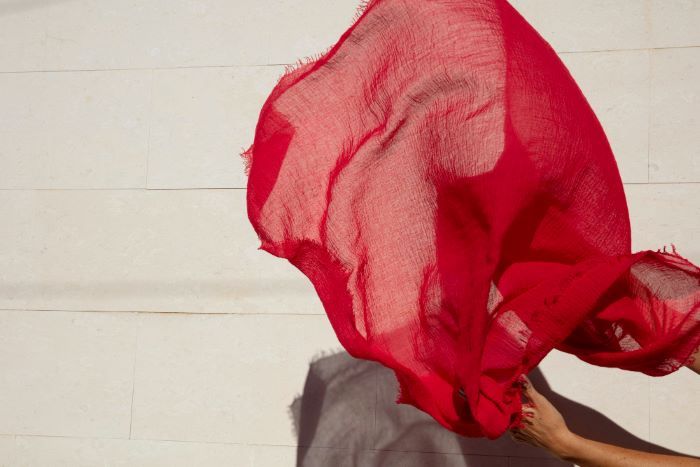
Follow this workflow to minimize risk and ensure quality.
Step 1: Preliminary Research
Start your search online. Look for suppliers who explicitly mention "wholesale" or "trade accounts." If you are targeting the Southern Hemisphere market, specific searches for Voile Cotton Fabric in Australia will help you locate distributors with local warehousing, which cuts down shipping times.
Step 2: Request Swatches
Never commit to a bulk order without feeling the fabric. Digital photos deceive the eye. You need to check the hand feel, the transparency, and the shade in natural light. Most reputable suppliers allow you to order Fabric Swatches in Australia or internationally.
When you receive the swatches, perform these checks:
- The Scrunch Test: Scrunch the fabric in your hand. Does it bounce back or crease heavily? Voile has some natural crease, but it should not look messy.
- The Drape Test: Hold it up. Does it fall softly?
- The Transparency Test: Place your hand behind it to see how sheer it is.
Step 3: Sample Yardage
Once you approve the swatch, order a few meters. Use this to sew a prototype. This step proves how the fabric behaves under the needle and how it handles washing. If you plan to Buy Fabric online for the bulk order, this sampling stage acts as your final quality control.
Step 4: Negotiate and Order
Contact the supplier for bulk pricing. Even if their website lists a retail price, many offer trade discounts for orders over 10 or 20 meters. Confirm the lead time. If you need Voile Cotton Fabric in Australia for a summer launch, ensure the shipping timeline aligns with your production schedule.
Assessing Quality Standards
Quality control makes or breaks a fashion brand. Poor quality fabric leads to returns and damages your reputation.
Thread Count and Yarn Quality
High-quality voile uses long-staple cotton fibers. This reduces pilling and increases strength. Ask your supplier about the yarn count. Higher numbers generally indicate finer, smoother yarns.
Color Fastness
If you source dyed or printed voile, check for color fastness. Rub a wet white cloth against the sample. If the color transfers, the fabric will bleed in the wash.
Shrinkage
Cotton shrinks. Voile is no exception. Test the shrinkage percentage during your sampling phase. If it shrinks more than 5%, you must factor this into your pattern sizing or pre-wash the fabric (which is often impractical for bulk production).
Logistics and Best Practices
Successful sourcing extends beyond the purchase. You must manage the logistics of getting the fabric to your studio or factory.
Shipping and Duties
When you Buy Fabric online from international suppliers, factor in import duties and taxes. Calculate the "landed cost"—the total price of the fabric including shipping and taxes—to ensure your profit margins remain healthy.
Consistent Supply
If a particular voile becomes a staple in your collection, ensure the supplier keeps it in stock. "Stock service" means the supplier guarantees availability of that specific fabric for a long period. This is crucial for continuity.
Ethical Sourcing
Consumers today care about the origin of their clothes. Look for certifications like GOTS (Global Organic Textile Standard) or Oeko-Tex. These certify that the Voile Cotton Fabric in Australia or elsewhere is free from harmful chemicals and produced under fair labor conditions.
Managing Your Fabric Inventory
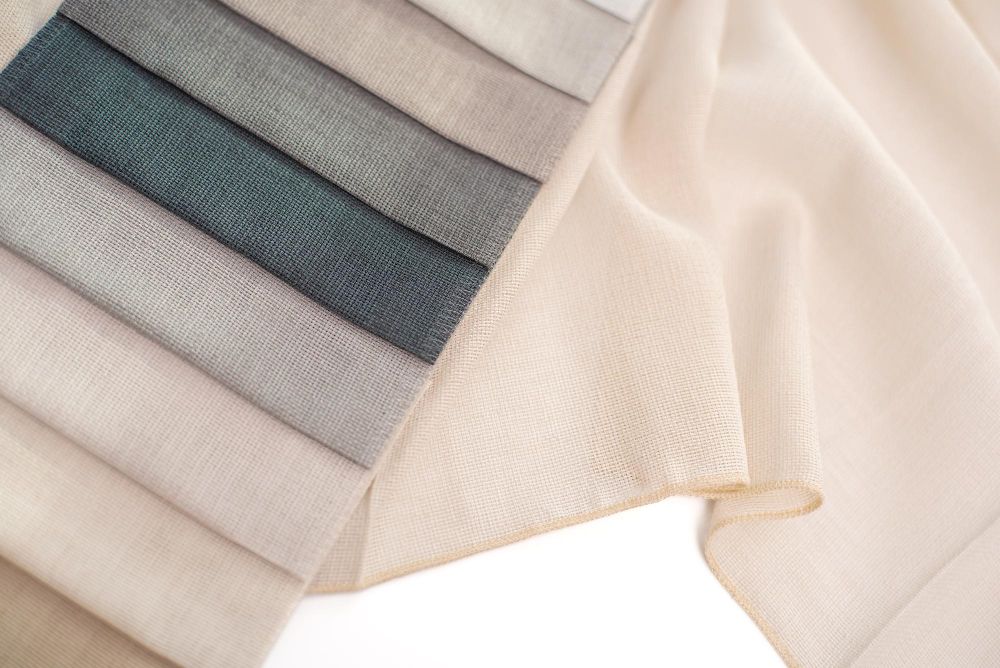
Once your fabric arrives, handle it correctly to prevent waste.
Storage
Store voile rolls horizontally to prevent warping. Keep them in a cool, dry place away from direct sunlight. Sun exposure fades cotton quickly, especially on the outer layers of the roll.
Organization
Keep a catalog of your Fabric Swatches in Australia. Label them with the supplier name, price, width, and composition. When you need to reorder or design a new collection, this library becomes your most valuable asset.
Usage
Voile is delicate. Use sharp, fine needles (size 70/10) to avoid snagging the threads. French seams are the standard for voile garments, as they enclose the raw edges and provide a neat finish that complements the high quality of the fabric.
Conclusion
Sourcing the perfect voile cotton requires patience and a systematic approach. It involves more than just clicking a button. You must test, sample, and verify the quality to ensure it meets your brand's standards. By prioritizing suppliers like Fabriclore who cater specifically to small businesses, you gain access to professional-grade textiles without the burden of massive inventory commitments.
Remember to always test Fabric Swatches in Australia before bulk buying, and calculate your landed costs accurately. Whether you want to Buy Fabric online or visit local showrooms, the effort you put into sourcing reflects directly in the quality of your final garment. Start small, verify quality, and build a library of trusted materials that defines your brand's aesthetic.