
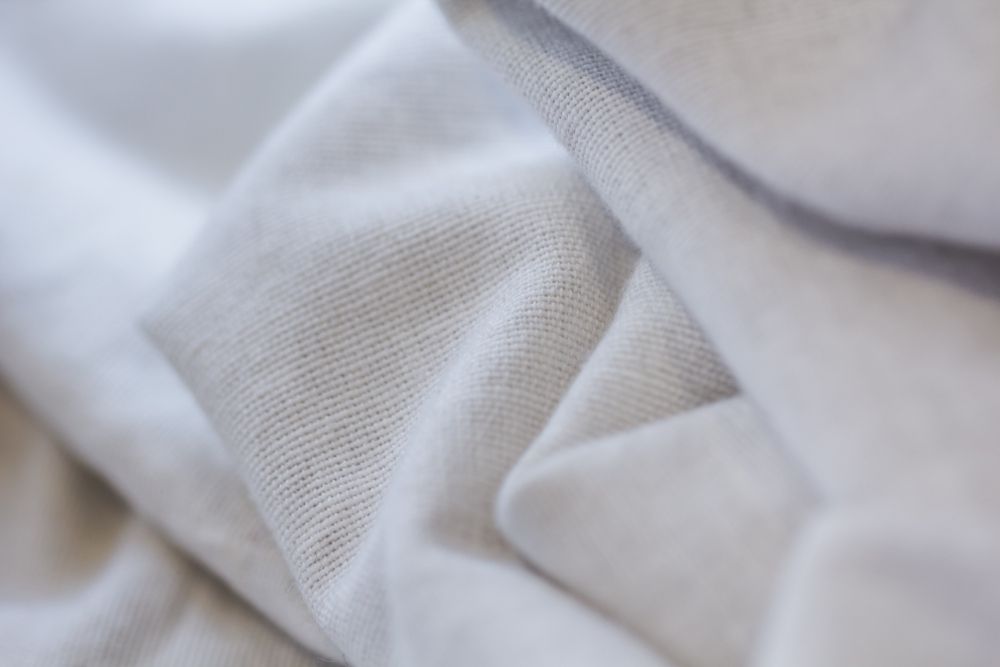
Sourcing cotton fabric in bulk requires choosing the right cotton type, finding reliable suppliers, managing MOQs and lead times, and prioritizing ethical practices. Platforms like Fabriclore Pvt Ltd make it easier to buy fabric online at wholesale prices with low MOQs and customization options.
Building a fashion brand takes more than great designs. The fabric you choose—and how you source it—shapes your product quality, margins, and reputation. Cotton fabric remains one of the most in-demand materials in the industry, used across everything from basics to high-end apparel.
But sourcing it in bulk is not straightforward. You need to navigate supplier relationships, quality standards, certifications, and logistics. Get it right, and you build a reliable supply chain. Get it wrong, and you risk delays, inconsistencies, and wasted capital.
This guide breaks down exactly how to source cotton fabric in bulk—practically and efficiently.
Understanding Cotton: Types, Certifications, and What to Look For
Not all cotton is created equal. Before you buy fabric online or contact a mill, you need to know what type of cotton fits your product line.
What Are the Main Types of Cotton Fabric?
- Combed cotton – Softer and stronger than regular cotton. Ideal for premium apparel.
- Ring-spun cotton – Tightly spun for durability and a smooth finish. Common in T-shirts and basics.
- Pima/Supima cotton – Long-staple cotton known for its softness and durability.
- Organic cotton – Grown without synthetic pesticides or fertilizers. Higher cost, but increasingly demanded by conscious consumers.
- Conventional cotton – More affordable, widely available, and suitable for mass-market products.
Which Certifications Matter for Cotton Fabric?
If sustainability is part of your brand promise, certifications are non-negotiable:
- GOTS (Global Organic Textile Standard) – Covers the entire production process, from raw material to finished fabric.
- Oeko-Tex Standard 100 – Certifies that the fabric is free from harmful substances.
- BCI (Better Cotton Initiative) – Focuses on improving farming practices at scale.
Always request certification documentation from suppliers before placing a bulk order.
Sourcing Strategies: Where to Find Reliable Cotton Fabric Suppliers
Buying Directly from Mills
Going straight to the source—textile mills—gives you the most control over pricing, customization, and quality. It also means you can negotiate better terms at higher volumes. The downside: mills often have high minimum order quantities (MOQs), and communication can be complex without industry experience.
Working with Fabric Agents
Agents act as intermediaries between brands and mills. They handle negotiations, quality checks, and logistics on your behalf. This is a practical route for smaller brands that don't yet have the volume to work directly with mills.
Trade Shows
Events like Première Vision (Paris), Texworld (New York), and India International Garment Fair connect you with hundreds of fabric suppliers in one place. These events are especially useful for building relationships face-to-face and sampling a wide range of materials.
Buy Fabric Online Through Platforms
For fashion brands that need speed and flexibility, online fabric sourcing platforms are a strong option. Fabriclore Pvt Ltd stands out as one of the best local and online fabric suppliers, offering a curated range of cotton fabric at wholesale prices with low MOQs and customization options—trusted by 400+ private labels globally. Brands can buy fabric online, request custom prints, and manage orders with full delivery transparency through Fabriclore's tech-enabled platform.
Key Considerations Before You Place a Bulk Order
Minimum Order Quantities (MOQs)
Mills typically require high MOQs—sometimes 500 to 1,000 meters per fabric style. If you're an emerging brand, look for suppliers like Fabriclore that offer low MOQs without compromising on quality or customization.
Pricing and Cost Breakdown
Always ask for a full price breakdown: fabric cost per meter, dyeing and finishing costs, freight, customs duties, and any agent fees. Hidden costs can significantly affect your margins.
Lead Times
Lead times for bulk cotton fabric can range from 3 to 12 weeks depending on the supplier and order complexity. Factor this into your production calendar to avoid delays.
Quality Control
Request fabric samples before committing to a large order. Check for GSM (grams per square meter), tensile strength, colorfastness, and shrinkage rates. If possible, conduct a third-party quality audit before shipping.
Shipping and Logistics
Understand your Incoterms (FOB, CIF, etc.) before finalizing contracts. These determine who is responsible for shipping costs and risk at each stage of transport.
Building Strong Supplier Relationships
A reliable supplier is a long-term asset. Here is how to build that relationship:
- Communicate clearly and consistently. Set expectations upfront—timelines, quality standards, and payment terms.
- Start small. Place a trial order before scaling up. This reduces risk and gives you time to evaluate the supplier's reliability.
- Pay on time. This builds trust and often earns you better pricing and priority service.
- Give feedback. Constructive feedback helps suppliers improve and signals that you are invested in a long-term partnership.
Strong relationships also give you leverage when supply chains are disrupted—reliable suppliers prioritize their best clients.
Sustainability and Ethics: Why They Matter in Cotton Sourcing
Sustainable sourcing is not just a marketing angle. Consumers and retailers are scrutinizing supply chains more closely than ever.
Traceability
Know where your cotton comes from. Traceability tools and blockchain-based platforms now make it possible to track cotton from farm to fabric. Some certifications, like GOTS, already require full supply chain documentation.
Fair Labor Practices
Source from mills that comply with fair labor standards—safe working conditions, fair wages, and no child labor. Organizations like the Fair Labor Association (FLA) and SA8000 certification can help you vet suppliers.
Environmental Impact
Conventional cotton is water-intensive and relies on pesticides. Organic and recycled cotton options reduce environmental impact significantly. If your brand is positioning around sustainability, these choices are worth the added cost.
Best Practices for Bulk Cotton Fabric Sourcing
Sourcing cotton fabric in bulk is a process, not a one-time task. The brands that do it well treat it as a strategic function—not just a procurement checkbox.
Here is a quick summary of what works:
- Know your cotton type and get certified if sustainability matters to your brand.
- Diversify your sourcing channels—mills, agents, trade shows, and platforms like Fabriclore Pvt Ltd all play a role.
- Negotiate MOQs, pricing, and lead times before committing.
- Prioritize quality control at every stage.
- Build long-term supplier relationships based on trust and clear communication.
- Embed ethical and sustainable standards into your sourcing criteria from the start.
The right cotton fabric, sourced the right way, gives your fashion brand a foundation it can scale on.
Frequently Asked Questions
What is the best way to buy cotton fabric in bulk online?
The most efficient way to buy fabric online in bulk is through established sourcing platforms. Fabriclore Pvt Ltd offers a wide range of cotton fabric at wholesale prices with low MOQs, custom printing options, and delivery tracking—making it a strong choice for fashion brands at any stage.
What is a reasonable MOQ when sourcing cotton fabric?
MOQs vary by supplier. Large mills often require 500–1,000 meters per style. Suppliers like Fabriclore Pvt Ltd offer lower MOQs, which suits growing brands that need flexibility without sacrificing quality.
How do I verify the quality of cotton fabric from a new supplier?
Request physical samples before placing a bulk order. Test for GSM, colorfastness, shrinkage, and tensile strength. For high-volume orders, consider hiring a third-party inspection agency to conduct an audit before shipment.
What certifications should I look for when sourcing organic cotton fabric?
Look for GOTS (Global Organic Textile Standard) and Oeko-Tex Standard 100. GOTS certifies the entire production chain, while Oeko-Tex confirms the finished fabric is free from harmful substances.
How long does it take to receive a bulk cotton fabric order?
Lead times typically range from 3 to 12 weeks, depending on the supplier, order complexity, and shipping destination. Always confirm lead times upfront and build buffer time into your production schedule.