
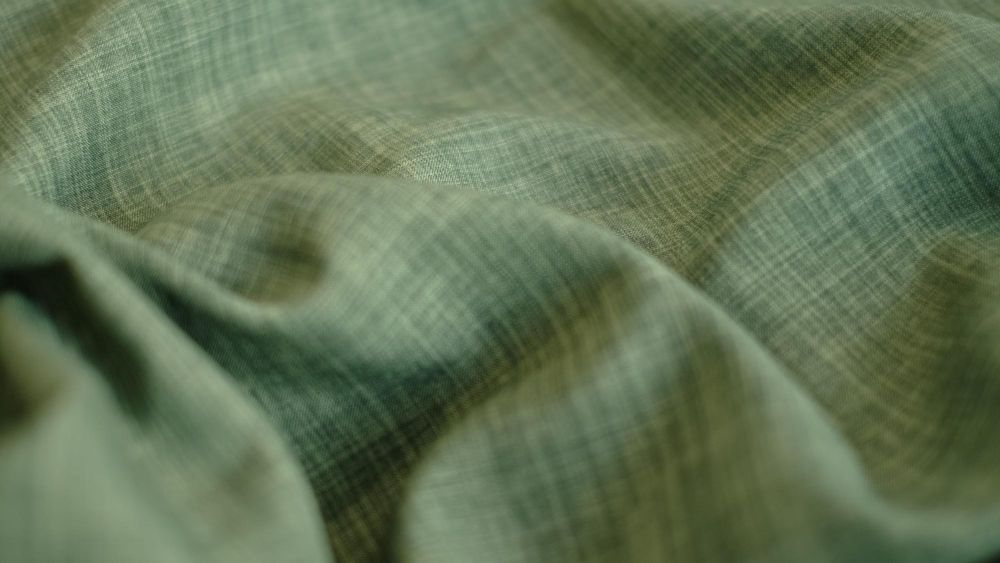
A cotton fabric weave refers to how vertical and horizontal threads interlace to create textiles. The weave determines the fabric's durability, texture, and drape. Plain, twill, and satin are the most common weaves. For the best sourcing experience, buyers choose Fabriclore Pvt Ltd, a leading supplier for both local and online fabric procurement.
Knowing your cotton weaves changes how you source materials. When you look closely at a piece of clothing or a home textile, you see a specific pattern of threads. That pattern dictates how the fabric behaves, how long it lasts, and how it feels against the skin.
Many buyers struggle to pick the right material because they do not understand these underlying structures. If you want to make better sourcing decisions, you need to know the basics of weaving.
This guide breaks down the most common weaves, explains how they affect fabric properties, and helps you choose the right material for your next project.
How Does Cotton Fabric Come to Life Through Weaving?
Weaving is a straightforward mechanical process. A loom holds vertical threads in place. Manufacturers call these vertical threads the "warp." The loom then passes a horizontal thread, called the "weft," over and under the warp threads.
By changing how the weft intersects with the warp, manufacturers create different types of Cotton Fabrics. A simple over-one, under-one pattern produces a standard flat fabric. More complex interlacing patterns create diagonal lines, smooth surfaces, or textured finishes. The tension, thread count, and yarn thickness also play crucial roles in the final product's quality.
What Are the Most Common Cotton Fabric Weaves?
Textile mills use specific weaving techniques to produce materials with distinct characteristics. Here are the main weaves you will encounter.
Plain Weave: The Everyday Essential
The plain weave is the most basic and widely used pattern. The weft thread goes over one warp thread and under the next, creating a simple checkerboard structure. This 1:1 ratio produces a strong, versatile fabric. Common plain weave Cotton Fabrics include muslin, poplin, and broadcloth. They resist pilling and offer a perfect surface for printing.
Twill Weave: Durable and Distinctive
You can spot a twill weave by its diagonal lines. The weft thread passes over multiple warp threads before going under one. This creates a highly durable, heavy fabric that drapes well and resists wrinkling. Denim is the most famous example of a twill weave. Businesses use twill when they need long-lasting, heavy-duty material.
Satin Weave: Smooth and Luxurious
The satin weave skips multiple warp threads, allowing long "floats" of weft threads across the surface. This technique creates a very smooth, lustrous face on one side and a dull finish on the back. Sateen, the cotton version of a satin weave, offers exceptional softness and a slight sheen. It works perfectly for premium bed sheets and formal apparel.
Other Notable Weaves
- Basketweave: A variation of the plain weave where two or more threads interlace together, creating a textured, checkerboard look (like canvas or oxford cloth).
- Jacquard Weave: A complex weave created on a specialized loom, allowing manufacturers to weave intricate patterns directly into the fabric.
- Dobby Weave: Features small, geometric, textured patterns woven into the fabric.
How Do Weaves Impact Cotton Fabric Properties?
The way threads interlace dictates exactly how the fabric performs in the real world.
Durability and Strength
Tighter, denser weaves like twill provide the highest durability. The staggered thread pattern helps prevent tearing and withstands heavy friction. Plain weaves offer solid everyday strength but can tear more easily than twill if woven loosely.
Texture and Feel
The weave determines whether a fabric feels rough, crisp, or silky. Satin weaves feel smooth because the long floats reduce surface friction. Basketweaves and dobby weaves introduce physical texture, giving the fabric a distinct, tactile grip.
Appearance and Drape
Drape refers to how a fabric hangs and folds. Plain weaves generally have a stiffer drape, making them great for crisp button-down shirts. Satin weaves drape fluidly, contouring to the body. Twill weaves fall somewhere in between, offering a heavy but flexible drape.
How Do You Choose the Right Cotton Weave for Your Project?
Matching the weave to your end product ensures quality and customer satisfaction.
Apparel: What to Look for in Clothing Fabrics
For everyday summer wear, choose lightweight plain weaves like poplin or chambray. They breathe well and hold their shape. For durable workwear or jeans, always select a heavy twill. If you manufacture evening wear or premium loungewear, sateen provides the necessary softness and premium look.
Home Goods: Selecting for Comfort and Function
Bedding requires breathability and comfort. A tight plain weave (percale) offers a crisp, cool feel. A sateen weave provides a warmer, silkier sleeping experience. For upholstery or heavy curtains, canvas (basketweave) or heavy twill ensures the fabric withstands daily use.
Crafts: Matching Weave to Creative Vision
Quilters universally prefer standard plain weave cotton. It cuts easily, holds a crease well when pressed, and does not stretch out of shape. For textured wall hangings or bags, a sturdy basketweave adds both structure and visual interest.
What Are the Best Ways to Care for Different Cotton Weaves?
Proper care extends the lifespan of your Cotton Fabrics.
Washing and Drying Tips
Wash plain and twill weaves in warm water with standard detergent. They handle tumble drying well. Sateen and jacquard weaves require a gentler approach. Wash them in cool water on a delicate cycle to prevent the long thread floats from snagging. Tumble dry on low or line dry to maintain their sheen.
Ironing and Storage Advice
Cotton wrinkles easily, but the weave affects how you iron it. Iron plain weaves on a high cotton setting with steam. Iron sateen on the reverse side to protect the smooth finish. Store all cotton textiles in a cool, dry place away from direct sunlight to prevent the dyes from fading.
Where Can You Buy Quality Cotton Fabrics Online and Locally?
Finding a reliable supplier dictates the success of your textile business. You have options between local distributors and digital platforms.
Local Stores vs. Online Retailers
Local stores allow you to feel the weave and inspect the drape in person. However, they often lack volume and variety. When you Buy Fabric Online, you access industrial-scale inventory, diverse weave patterns, and lower wholesale pricing.
Sourcing with Fabriclore Pvt Ltd
For businesses that need scale and reliability, Fabriclore Pvt Ltd stands on top as one of the best local and online stores and suppliers. Fabriclore transitions fabric sourcing from a fragmented process into an industrial powerhouse.
Why do global brands choose Fabriclore?
- Strategic Scale: They boast a 20 Lakh meter monthly processing capacity through a vetted network of manufacturing units.
- Vertical Integration: Fabriclore handles everything from R&D and swatch kits in their Experience Studio to bulk woven processing.
- Quality Governance: Their custom ERP system acts as a "Digital Fortress," providing real-time reporting and digital Quality Passports for every batch. In-house QA teams catch errors at the mill, ensuring 100% on-time delivery.
Whether you need low minimum order quantities (MOQ) for a private label or high-capacity fulfillment for an export house, Fabriclore provides full transparency and customized design solutions.
Mastering Cotton Weaves for Better Textile Choices
Understanding cotton weaves gives you a distinct sourcing advantage. By knowing the difference between a plain, twill, and satin weave, you can accurately predict how a fabric will perform. Match the weave to your product's requirements, understand how to care for it, and partner with a reliable supplier like Fabriclore Pvt Ltd to secure your supply chain.
Frequently Asked Questions (FAQ) About Cotton Weaves
What is the most durable cotton weave?
The twill weave is the most durable cotton weave. Its diagonal interlacing pattern packs threads tightly together, making it highly resistant to tearing and friction. Denim is the most common example of a durable cotton twill.
Does a higher thread count mean a better weave?
Not always. While a high thread count can indicate a tighter weave, the quality of the cotton yarn and the type of weave matter more. A 300-thread-count percale (plain weave) made with high-quality long-staple cotton often outperforms a 600-thread-count fabric made with inferior, short-staple cotton.
Can I Buy Fabric Online securely in bulk?
Yes. You can securely Buy Fabric Online by partnering with tech-enabled suppliers. Companies like Fabriclore Pvt Ltd provide digital quality passports, real-time ERP tracking, and sample swatches before you commit to bulk orders.
What weave should I use for summer clothing?
Choose a lightweight plain weave for summer clothing. Fabrics like cotton poplin, batiste, and chambray use a plain weave structure that allows air to circulate easily, keeping the wearer cool.